Dr. Carol Anne Gonsales: Finding Your Next Chapter Without Leaving Your Experience Behind
Educator · Author · Leadership strategist
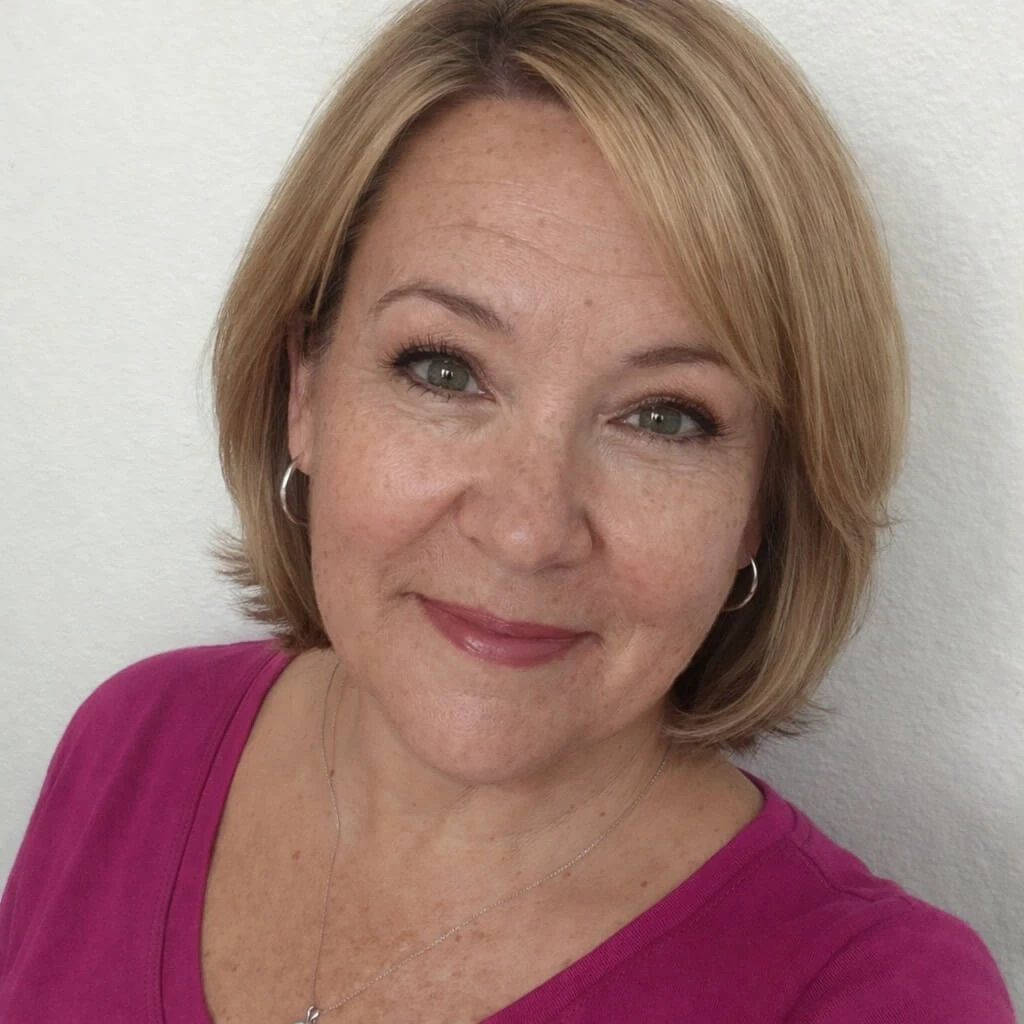
After more than 25 years in education, Dr. Carol Anne Gonsales began noticing a connection between two groups of people who might not initially seem to have much in common: students struggling to feel connected to their education and accomplished women questioning where they belonged professionally.
Her doctoral research had identified five forms of disconnection: Identity, Visibility, Relevance, Direction and Influence.
Over time, she began recognising those same experiences in women who had spent decades building careers, supporting families and leading others, yet were beginning to wonder whether their knowledge and contributions still mattered.
The subject was personal.
After relocating to Hawaiʻi, Carol had accepted a vice principal position despite having already worked as a teacher and principal. What initially felt like a professional step backward eventually helped her understand something important about change: a different role does not erase the experience that came before it.
Today, she brings that perspective to Inner Compass Collective, which supports professional women over 50, and WiseStep AI, which helps older adults recognise scams and use artificial intelligence safely.
Her book, Navigating the Next Season, explores how experienced women can approach change without losing their identity, judgment or sense of purpose.
In this conversation, Carol reflects on the experience that helped shape her next chapter, the difficulty of feeling valued after years of achievement, and why she believes artificial intelligence should expand human possibilities rather than replace human judgment.
After years working as a teacher and principal, was there a moment when you realised your next chapter might look very different from the career you had already built?
Yes, and it didn’t feel like a breakthrough at the time. It felt like a step backward. When I moved to Hawaiʻi, I had already been a teacher and principal. I took a vice principal role to find my footing in a new place. It took me a while to adjust, and the feeling that I had more to give in my career never left me. I learned that stepping back isn’t the same as starting over. Everything I had built came with me. My doctoral research added to that. I studied why students disengage, and I found five disconnections: Identity, Visibility, Relevance, Direction and Influence. Over time I realized those same five disconnections show up in accomplished women at midlife. That’s when I knew my next chapter would be about them.
Your book speaks to accomplished women who have spent years leading others but may now be asking what comes next for themselves. What have you noticed these women find hardest about giving themselves permission to want something different?
Most of them have spent decades being the person others rely on. Wanting something for themselves can feel selfish, or like they’re walking away from everything they built. A woman in my own family said she no longer felt appreciated, and that her skills and talents weren’t being used. She wasn’t asking to be someone new. She wanted to feel valued again and to lead again. I hear that often. The hardest part isn’t knowing what they want. It’s believing they’re still allowed to want it.
“The hardest part isn’t knowing what they want. It’s believing they’re still allowed to want it.”
You encourage experienced women leaders to use AI as a thought partner without losing their own voice. Can you share a specific example of how AI can help someone explore new possibilities while still relying on their own wisdom and judgment?
One exercise I use asks a woman to describe her career in her own words, including the projects, the crises she handled and the people she developed. Then she asks AI to name the skills hidden in that story and suggest where else those skills might be valuable. AI is good at seeing patterns and possibilities she might overlook. Then her own judgment takes over. She decides which suggestions fit her values and which ones don’t sound like her at all, and that part matters most. My guiding phrase is “AI reflects. You lead.” The tool can widen her view, but the direction is hers.
“AI reflects. You lead.”
Have you encountered women who underestimated the value of their own experience simply because the world around them was changing? What helped them see things differently?
All the time. The line I hear most is some version of “I have more to contribute, but I’m not sure where I fit anymore.” When new technology arrives, it’s easy to assume your experience has expired. What helps is translation. A woman who managed a team through a budget crisis already knows how to make hard decisions with incomplete information. That’s exactly the judgment AI can’t replace. Once she sees her experience as the foundation the new tools sit on, and not something those tools make obsolete, her confidence comes back. I have witnessed this in colleagues who learned to translate their knowledge, skills and dispositions from the depth and breadth of their experiences. Their value hadn’t expired. They needed to approach it from a different angle.
As you help other women discover their next chapter, what are you personally still discovering about your own?
I’m discovering that I’m a beginner again, and I’m comfortable with that. After 25 years in education, I’m now building two ventures. Inner Compass Collective serves professional women 50+, and WiseStep AI helps kūpuna (older adults) recognize scams and use AI safely. Together they address what I call the Double Divide, meaning the gaps women and older adults face with AI. I started working at age eight in my family’s restaurant, and I’ve changed careers more than once since. Each time, I learned that a new season doesn’t erase the old one. It builds on it. One surprise I have encountered in this chapter is that I am still very curious, still learning, and amazed at the skills I have gained. This has given me confidence in this new realm of technology, and it is deeply fulfilling because I, too, have much more to contribute.
Carol's story brings together two ideas that are often treated as opposites: experience and beginning again.
Her work suggests that learning something new does not require leaving behind everything that came before it.
For the women she works with, that might mean discovering a new direction after decades in one profession. For older adults exploring artificial intelligence, it might mean becoming comfortable with unfamiliar technology while trusting the judgment they have developed over a lifetime.
Carol is navigating that process herself.
After years in education, she is building new ventures, asking new questions and discovering that curiosity remains an important part of her own next chapter.
Her story is a reminder that beginning again does not necessarily mean returning to the beginning.
About Navigating the Next Season
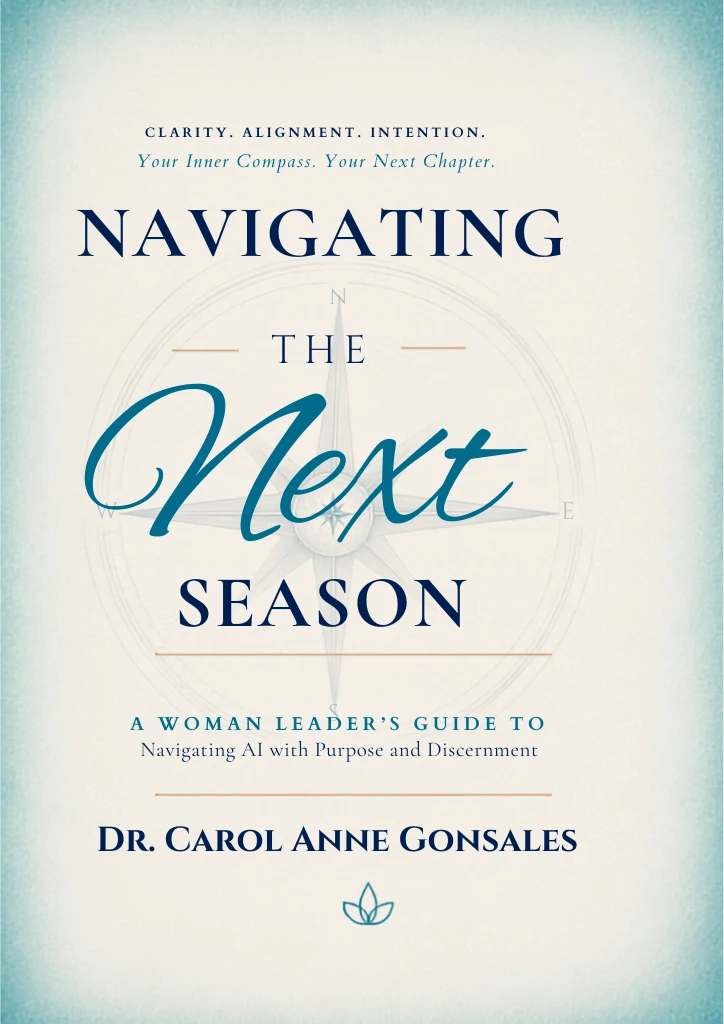
Navigating the Next Season: A Woman Leader's Guide to Navigating AI with Purpose and Discernment
Dr. Carol Anne Gonsales explores how experienced women leaders can approach personal and professional change while preserving the wisdom, identity and judgment they have developed throughout their careers.
The book examines how artificial intelligence can become a useful thought partner without replacing human discernment.
About Dr. Carol Anne Gonsales
Dr. Carol Anne Gonsales is an educator, author and leadership development strategist.
She founded Inner Compass Collective to support professional women over 50.
She is also building WiseStep AI to help older adults recognise scams and use artificial intelligence safely.
Appreciate this creator
Appreciate Dr. Carol Anne Gonsales
If Carol's work has helped you think differently about leadership, personal growth or finding purpose in a new chapter of life, you can leave her a thoughtful message and financially appreciate her work.
Appreciate Carolappreciate.bio/theinnercompasscollective